

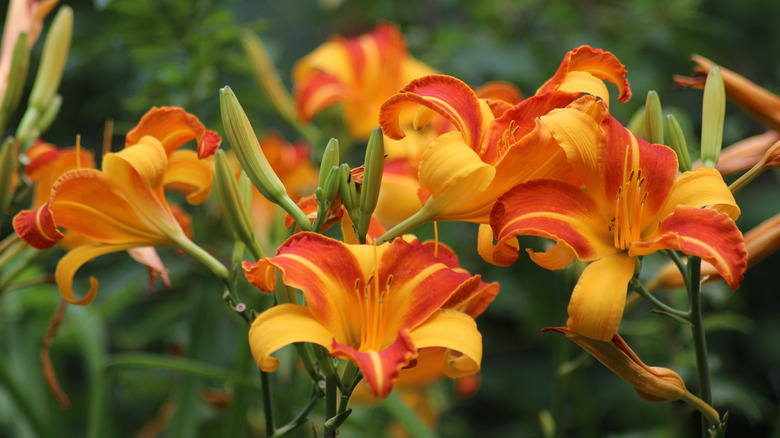
Fruit trees, roses, herbaceous borders and allotments remain familiar ground, yet many gardeners now look for plants that offer reliability without constant intervention. In this context, daylilies have moved from being supporting characters to dependable centrepieces. Their ability to cope with varied soils, shifting weather patterns and busy schedules makes them increasingly relevant to modern gardens, whether rural or urban.
What distinguishes trusted grower daylilies is not novelty for its own sake, but consistency. These plants reward patience rather than demand attention, delivering structure and colour across long seasons. When sourced from specialists who understand cultivation rather than mass distribution, the difference becomes visible not just in bloom quality, but in long-term performance.
A senior grower at SwallowtailDaylilies notes that successful daylily planting begins with understanding the plant’s natural rhythm rather than forcing growth. According to their experience, gardeners often underestimate how much long-term structure daylilies can bring when properly established.
They emphasise the importance of choosing proven Daylily varieties that have been trialed under British conditions. Plants bred or selected in similar climates settle more readily and maintain flowering quality year after year. The grower advises patience during the first season, allowing roots to establish fully before expecting peak performance. This approach, they suggest, results in healthier clumps and a more reliable display over time.
Why Daylilies Deserve Renewed Attention in British Gardens
Daylilies, or Hemerocallis, have been present in British gardens for generations, yet their reputation has often lagged behind their potential. Older varieties, while robust, sometimes encouraged the idea that daylilies were coarse or predictable. Modern breeding and careful selection have transformed that perception.
Unlike many perennials that peak briefly, daylilies provide a rolling display. Individual flowers may last only a day, but well-grown clumps produce successive blooms over weeks, sometimes months. This trait makes them particularly valuable in gardens where fruit trees dominate spring interest, leaving a lull before autumn colour sets in. Daylilies quietly fill that gap.
Their adaptability is another strength. They tolerate clay soils common across England, cope well with periods of drought once established, and are rarely troubled by pests. This resilience aligns well with sustainable gardening principles, reducing the need for chemical intervention or constant replanting.
From a design perspective, daylilies bridge formal and informal styles. They sit comfortably beside apple trees in traditional orchards, soften modern hard landscaping, and bring rhythm to mixed borders. Colours now range from restrained creams and soft apricots to deep reds and near-purple tones, allowing subtle coordination rather than visual noise.
The renewed attention they receive is also linked to provenance. Gardeners increasingly recognise that where a plant comes from matters. Daylilies grown by specialists who select for British conditions behave differently from those imported in bulk. The visible difference lies in vigour, flowering consistency, and how gracefully the plant ages over time.
The Visible Difference Made by Trusted Growers
Not all daylilies are equal, and the distinction often becomes clear only after several seasons. Trusted growers focus on plants as living systems rather than disposable stock. Their approach begins with soil preparation, careful division, and selection of cultivars proven to perform reliably.
Plants raised in open ground, allowed to develop strong root systems, establish faster once planted out. This contrasts sharply with daylilies forced into growth for quick sale. The latter may look appealing initially but often struggle to adapt, leading to uneven flowering or stunted clumps.
Trusted growers also understand that daylilies are long-term investments. A well-grown clump can remain productive for many years with minimal disturbance. This longevity suits gardeners who prefer thoughtful planting over frequent redesigns. It also supports biodiversity, as mature plantings provide stable habitats for insects throughout summer.
There is a practical economic benefit as well. While gardeners may encounter Daylily plants for sale from numerous outlets, those sourced from specialists tend to represent better value over time. Initial costs are offset by reduced replacement rates and improved performance, a consideration particularly relevant for larger gardens or community spaces.
The visible difference extends beyond the individual plant. Borders planted with uniformly strong stock mature evenly, creating coherence rather than patchwork. In orchard settings, daylilies planted beneath fruit trees suppress weeds, protect soil moisture, and offer ornamental interest without competing aggressively for nutrients.
Integrating Daylilies with Fruit Trees and Productive Gardens
Daylilies may seem purely ornamental, but their role in productive gardens is often overlooked. In orchards or kitchen gardens, they serve as effective companion plants. Their dense foliage shades soil, reducing moisture loss during summer, which benefits shallow-rooted fruit trees during dry spells.
Unlike more aggressive perennials, daylilies coexist peacefully with apple, pear, and plum trees. Their roots occupy different soil layers, minimising competition. This makes them suitable for planting in rings or drifts beneath trees, where grass might otherwise dominate and require frequent cutting.
The timing of their growth also complements fruit trees. As blossom fades and attention shifts from spring pruning to summer maintenance, daylilies come into their own. Their flowering coincides with fruit development, adding visual interest without distracting from practical tasks such as thinning or pest monitoring.
In smaller gardens, where space is limited, daylilies can replace less reliable border plants. Their tidy habit allows them to edge paths or beds without encroachment. This is particularly useful in gardens that balance ornament with utility, a common approach in British suburban plots.
Furthermore, daylilies contribute to garden resilience. In years when fruit yields are affected by late frosts or poor pollination, ornamental planting maintains morale and enjoyment. The steady presence of well-grown daylilies ensures the garden remains rewarding even when harvests disappoint.
Soil, Climate, and Long-Term Care Considerations
British gardeners contend with varied soils and unpredictable weather, making plant choice critical. Daylilies thrive in well-drained soil but tolerate heavier conditions if not waterlogged. Trusted growers often recommend improving planting areas with organic matter, not to indulge the plant but to support steady establishment.
Once settled, daylilies require little intervention. Annual mulching supports soil health and suppresses weeds, while occasional division every five to seven years rejuvenates older clumps. This task aligns conveniently with other garden maintenance cycles, such as fruit tree pruning or border renewal.
Climate resilience is another advantage. Daylilies cope with fluctuating temperatures better than many perennials. Late frosts rarely damage emerging growth, and summer heat does not halt flowering if moisture is sufficient. This reliability is increasingly valued as gardeners adapt to climate variability.
Disease resistance is also noteworthy. Unlike some ornamentals that demand vigilance, daylilies seldom suffer serious problems. This reduces the need for chemical treatments and supports wildlife-friendly gardening practices.
When purchasing plants, provenance remains key. Gardeners seeking long-term success are advised to choose suppliers who prioritise cultivation quality over rapid turnover. While availability of Daylily plants for sale is widespread, the difference lies in how those plants have been grown, lifted, and prepared for planting.
The Role of Daylilies in Sustainable and Low-Input Gardening
Sustainability in gardening is no longer an abstract concept but a practical necessity. Daylilies fit naturally into low-input systems. Their perennial nature reduces the need for annual planting, saving resources and effort.
They also support pollinators during summer, a period when nectar sources can become scarce. Bees and hoverflies are frequent visitors, particularly to open-flowered varieties. In gardens where fruit trees rely on healthy pollinator populations, this indirect support has tangible benefits.
Water efficiency is another consideration. Once established, daylilies manage with minimal irrigation, an important trait as hosepipe restrictions become more common. Their ability to maintain form and flower under moderate stress makes them suitable for gardens that prioritise water conservation.
From a visual standpoint, daylilies age gracefully. Rather than declining sharply, mature clumps often improve, producing more scapes and a fuller presence. This contrasts with short-lived perennials that require frequent replacement, generating waste and expense.
For community gardens, public spaces, and shared orchards, trusted grower daylilies offer predictability. They provide consistent results across varying skill levels, reducing maintenance demands while maintaining aesthetic standards. This reliability underpins their growing popularity beyond private gardens.
Choosing Quality and Seeing the Difference Over Time
The true measure of a garden plant is not its first season but its performance over years. Daylilies sourced from trusted growers reveal their value gradually, rewarding patience with resilience and presence. Gardeners often report that initial modest displays give way to impressive clumps by the third year, a trajectory that reflects healthy establishment rather than forced growth.
Selecting quality stock requires discernment. Reputable growers provide clear information about cultivar characteristics, flowering times, and growth habits. This transparency enables gardeners to plan effectively, avoiding mismatched expectations.
The visible difference becomes most apparent when comparing plantings side by side. Borders composed of strong, evenly grown daylilies maintain balance, while mixed-quality stock often results in uneven flowering and inconsistent height. Over time, these disparities become more pronounced, reinforcing the importance of sourcing.
Ultimately, daylilies exemplify a broader principle in gardening: thoughtful choices lead to lasting satisfaction. Whether integrated beneath fruit trees, used to structure borders, or relied upon for summer continuity, they offer quiet assurance. In gardens shaped by experience rather than impulse, trusted grower daylilies stand out not by shouting for attention, but by consistently delivering what they promise.

Comments are closed.