

For generations, the rules of personal style were built on a foundation of rigid compromise. Looking polished, authoritative, or fashionable almost always meant accepting physical restriction: stiffly starched collars, unyielding wool suiting, unforgiving waistbands, and footwear engineered for aesthetics rather than human anatomy. Casual clothing existed in an entirely separate universe, reserved strictly for weekend chores, the gym, or the privacy of one’s living room.
That generational boundary has completely dissolved. The modern wardrobe is no longer defined by an adversarial choice between looking sharp and feeling comfortable.
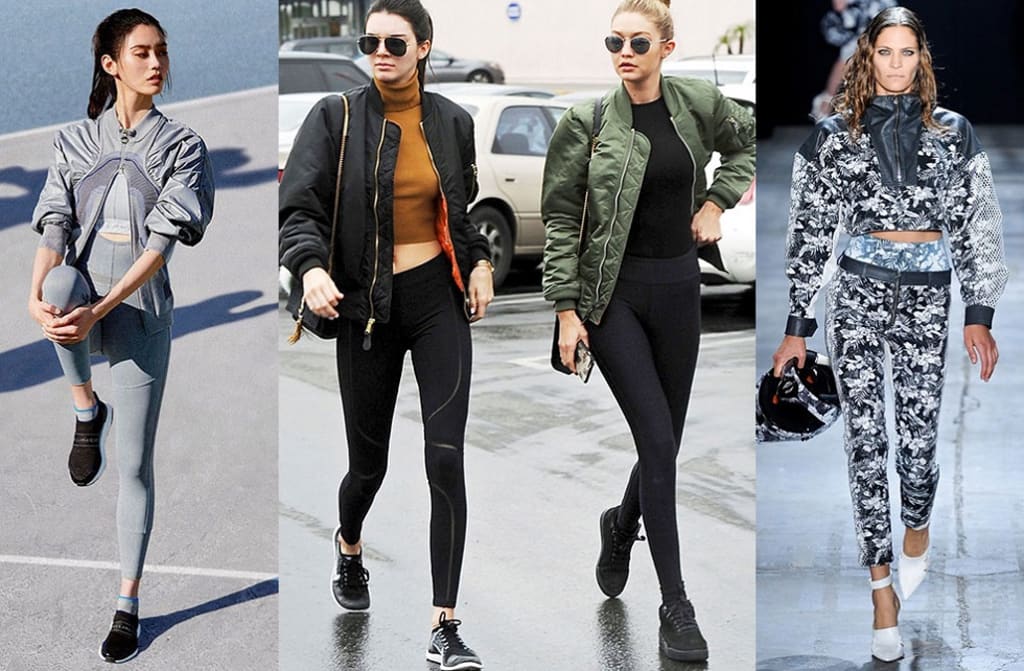
Athleisure has evolved from a short-lived fitness trend into a permanent design philosophy that bridges athletic performance and contemporary tailoring. It is not merely the practice of wearing gym sweatpants out in public. Done well, athleisure represents an intentional, sophisticated synthesis of high-performance textiles, minimalist design principles, and relaxed silhouettes that support the dynamic rhythm of modern life.
The Technical Evolution: Performance Fabrics Meet Tailored Drape
The engine driving the success of athleisure is textile innovation. In the past, activewear fabrics were designed exclusively for extreme perspiration and movement, resulting in shiny, plastic-feeling synthetics, neon dyes, and conspicuous logo placements that looked thoroughly out of place anywhere outside a health club.
Modern textile mills have completely re-engineered these materials. By blending natural fibers like merino wool, pima cotton, and breathable modal with elastane and technical nylon, designers create fabrics that offer four-way stretch, moisture management, and wrinkle resistance while retaining the rich hand-feel and visual matte finish of traditional wovens.
These advanced technical double-knits and structured ponte fabrics hold their shape throughout a twelve-hour day without sagging at the knees or bagging around the seat. Because the material maintains a clean, architectural drape, garments can be cut with the same sharp, tapered lines once exclusive to dry-clean-only trousers. The result is a pant or jacket that moves like athletic gear while projecting the clean, deliberate lines of casual tailoring.
The Art of High-Low Styling and Structural Contrast
Wearing athleisure successfully without looking as though you just rolled out of bed comes down to an understanding of visual contrast. A head-to-toe ensemble of loose fleece inevitably reads as lazy loungewear. The secret to elevating comfortable garments lies in high-low pairing—the deliberate combination of structured, formal pieces with relaxed, sporty essentials.
The Power of the Tailored Anchor
The most effective way to frame athleisure is to anchor the outfit with one distinctly structured piece.
Consider a pair of slim-fit, matte-black technical joggers worn alongside a premium white crewneck tee. On its own, the combination is completely casual. However, when layered beneath a crisp, unlined wool topcoat or a structured camel trench, the entire aesthetic changes. The heavy outerwear provides sharp shoulder geometry and vertical length, transforming the athletic basics into a deliberate, cosmopolitan uniform.
Similarly, an oversized French terry hoodie can be dressed up by pairing it with tailored flannel trousers, a structured leather belt, and clean leather footwear. The contrast between the relaxed cotton weave above and the disciplined wool drape below creates visual tension, signaling that every element of the outfit was chosen with intent.
The Redefinition of Contemporary Workplace Dressing
The rapid growth of flexible, hybrid office cultures has fundamentally altered the expectations of professional attire. Stiff corporate uniforms have largely been retired in favor of smart, adaptable garments that transition seamlessly between a morning home workspace, an in-person client presentation, and a casual evening dinner.
Athleisure has stepped directly into this space through commuter trousers and performance blazers. Commuter pants feature hidden gussets, interior elasticized waistbands, and subtle zip pockets, yet from the exterior, they mimic the look of classic flat-front chinos or wool slacks.
When paired with a fine-gauge knit polo or an untucked stretch-oxford shirt, these technical garments provide an immaculate corporate silhouette while allowing total freedom of movement. Professionals no longer spend eight hours trapped in rigid fabrics; they move through their working days with the physical ease once reserved for weekends, maintaining executive presence without sacrificing personal comfort.
Minimalist Palettes and Clean Aesthetic Restraint
Early athletic clothing relied heavily on garish neon accents, reflective piping, and oversized corporate logos. Modern athleisure, by contrast, takes its aesthetic cues from Scandinavian minimalism and traditional luxury tailoring.
Elevated athleisure thrives on understated, monochromatic, and tonal color schemes:
-
Versatile neutrals: Anchoring outfits in deep charcoal, heather gray, rich espresso, midnight navy, and crisp ivory.
-
Muted earth tones: Integrating sage green, washed olive, warm camel, and dusty taupe to add organic warmth without visual clutter.
-
Branding elimination: Eschewing loud graphics in favor of clean seams, hidden bonded zippers, and subtle matte hardware.
By removing distracting logos and discordant color blocks, the eye focuses on proportion, silhouette, and texture. An all-black ensemble featuring a technical quarter-zip pullover, streamlined athletic trousers, and minimalist leather sneakers looks sleek, modern, and undeniably intentional.
Curating for Quality and Fabric Longevity
Because athleisure garments are designed for frequent wear and heavy rotation, cheap, fast-fashion alternatives quickly reveal their flaws. Poorly manufactured synthetic blends tend to trap body odors, develop fuzzy fabric pilling along inner thighs, and lose their elastane recovery after only a few laundry cycles.
Building a lasting athleisure wardrobe requires investing in reputable brands that prioritize construction integrity. Look for flatlock stitching, which lays smooth against the skin to prevent chafing, and reinforced bar-tacks at stress points like pockets and drawstrings.
Proper garment care is equally essential to maintaining a polished look:
-
Wash technical fabrics in cold water on gentle cycles to preserve elastane bonds.
-
Avoid fabric softeners, which coat synthetic fibers with a waxy residue that ruins breathability and moisture-wicking properties.
-
Skip the high heat of the dryer entirely; air-drying on a flat rack prevents pilling, maintains garment drape, and extends the lifespan of the stretch fibers.
Athleisure is not a passing sartorial phase; it is the logical evolution of modern lifestyle dressing. By marrying the functional benefits of sports engineering with the timeless principles of fit, color harmony, and thoughtful styling, athleisure proves that personal style does not require physical discomfort. It allows people to navigate their days with effortless mobility, quiet confidence, and an understated, polished edge.

Comments are closed.