

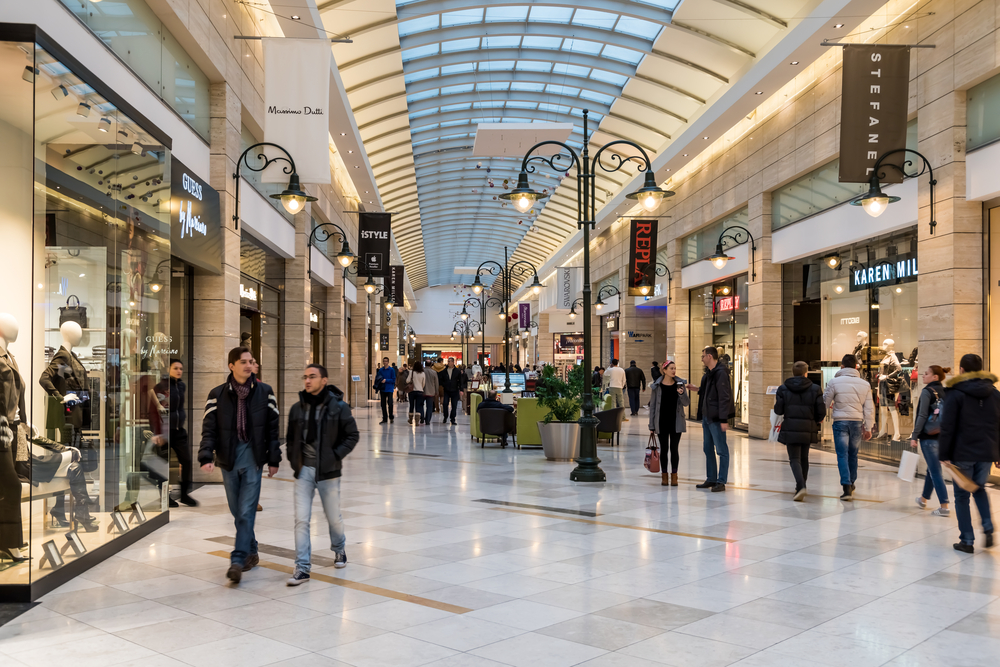
For decades, the American shopping mall served as the undisputed center of suburban social life. On any given Saturday afternoon, teenagers congregated near water features, families strolled past clothing boutiques, and shoppers carried paper bags between multi-story department stores. It was an enclosed commercial ecosystem built around a singular purpose: purchasing physical goods under one climate-controlled roof.
When e-commerce dismantled that convenience monopoly, widespread predictions declared the permanent death of the shopping mall. Shuttered storefronts and sprawling empty department stores quickly became symbols of a broader retail decline. Yet the narrative of total extinction missed a fundamental truth about human nature. While consumers no longer need to visit a physical building simply to buy a pair of jeans or a coffee maker, they still crave social gathering, shared leisure, and tactile experiences.
Rather than disappearing, adaptive commercial properties are undergoing a massive structural transformation. Forward-thinking property developers have recognized that survival requires abandoning the purely transactional model. By replacing commodity retail with interactive entertainment, chef-driven dining, wellness services, and residential density, shopping malls are reinventing themselves as vibrant, multi-purpose community hubs.
Moving Past the Department Store Anchor Model
The classic shopping mall was architecturally dependent on the anchor tenant concept. A property was anchored at either end by massive, multi-level department stores like Sears, Macy’s, or JCPenney. These retail giants generated the primary gravity, drawing customers who would then filter past the smaller specialty retailers lining the central concourse.
As department stores consolidated, downsized, or filed for bankruptcy, this traditional circulation pattern collapsed. Property managers were left with cavernous, 100,000-square-foot concrete boxes that few traditional apparel retailers could afford or desire to fill.
Rather than trying to recruit another legacy department store, developers are aggressively subdividing or converting these anchor spaces into experiential attractions. Entertainment venues that cannot be replicated through a smartphone screen have become the new foot-traffic drivers:
-
Competitive socializing concepts: Interactive venues like indoor pickleball clubs, high-tech mini-golf lounges, bowling alleys, and golf simulator suites that combine casual sports with upscale bar hospitality.
-
Immersive digital exhibits and theaters: Large-scale projection spaces, virtual reality arenas, and luxury cinema dining concepts equipped with reclining loungers and full tableside service.
-
Athletic and family entertainment facilities: Bouldering gyms, indoor trampoline parks, and children’s science and discovery centers that turn an ordinary weekend outing into an active family event.
By replacing passive retail aisles with active social experiences, properties give visitors a compelling reason to leave home, linger for hours, and return regularly with friends.
The Culinary Renaissance: Replacing the Food Court with Curated Dining
Nowhere is the reinvention of the shopping center more visible than in its food operations. For generations, the mall food court was an afterthought: an echoey expanse of laminate tables surrounded by neon-lit fast-food stalls offering lukewarm steam-table fare on plastic trays.
Modern lifestyle centers have retired this model in favor of curated artisanal food halls and destination dining.
These food halls function as gastronomic incubators, showcasing regional chefs, craft cocktail bars, local bakeries, and authentic international street food under one roof. Diners can sample wood-fired sourdough pizzas, fresh ramen, or craft beer in a communal space characterized by exposed brick, warm lighting, and lush greenery.
Surrounding the central property, developers are bringing in full-service, sit-down restaurants with expansive outdoor patios. These establishments feature dedicated exterior entrances and extended operating hours, ensuring that the property remains vibrant and populated late into the evening, long after traditional retail stores have locked their doors. Food has shifted from a quick refueling stop into the primary destination for a night out.
Integrating Healthcare, Fitness, and Everyday Convenience
To generate consistent, recession-resistant visitor traffic, mall operators are actively courting tenants that fulfill recurring daily and weekly needs rather than sporadic shopping splurges. The goal is to weave the commercial center into the essential fabric of a patron’s weekly routine.
High-end fitness operators like boutique yoga studios, CrossFit boxes, and full-service athletic country clubs now occupy prime real estate within redeveloped malls. Members visit three to four times a week to exercise, naturally patronizing neighboring juice bars, cafes, and personal care services before and after workouts.
Simultaneously, healthcare and wellness networks are moving into former retail suites. Outpatient surgical clinics, urgent care centers, dental practices, and physical therapy offices benefit from the plentiful parking, transit access, and central geographic positioning that malls naturally provide. A patient who visits the property for a medical appointment frequently picks up groceries, stops by a pharmacy, or grabs lunch on the same trip, generating steady weekday foot traffic that shields the property from retail downturns.
Converting Asphalt Seas into Dynamic Mixed-Use Neighborhoods
Perhaps the most ambitious phase of this evolution is happening outside the mall’s interior corridors. The traditional suburban mall was marooned inside a vast, uninspiring sea of asphalt parking spaces designed to handle the peak shopping surges of the holiday season. For nine months of the year, vast sections of these lots sat empty.
Developers are now tearing up this underutilized pavement to construct integrated, pedestrian-first mixed-use communities.
By building multi-family residential towers, modern office buildings, boutique hotels, and open-air public plazas directly on the mall parcel, developers create a built-in, captive audience. Residents live upstairs, work in modern co-working spaces across the plaza, and stroll through pedestrian boulevards lined with outdoor dining, green parks, and retail shops. The property hosts outdoor farmer markets, summer concert series, and holiday ice rinks, transforming what was once a private commercial compound into a lively, functional town square.
The shopping mall is not dying; it is simply growing up. By shedding the rigid, merchandise-only framework of the twentieth century and embracing human connection, entertainment, dynamic dining, and urban density, modern lifestyle hubs are proving that physical spaces still possess irreplaceable value. When designed around community and shared experiences, the modern hub becomes far more than a place to shop; it becomes a place to live.

Comments are closed.